Hazardous waste is one of the most consequential compliance areas for Metro Vancouver businesses. Get it wrong and the consequences range from significant financial penalties to environmental liability, regulatory investigations, and reputational damage. Yet many businesses — particularly in food service, property management, hospitality, and light industrial — are unaware of exactly which materials are classified as hazardous and what their legal obligations are.
This article lays out what qualifies as hazardous waste under BC law, what the disposal bans and requirements mean for your operation, and how to manage it properly.
What counts as Hazardous Waste under BC law
Under BC’s Environmental Management Act and the Hazardous Waste Regulation (BC Reg 63/88), a material is considered hazardous waste if it is a dangerous good that is no longer being used for its original purpose and meets the criteria for specific dangerous goods transport classes.
For most commercial operators, hazardous waste includes:
- Waste oil, lubricants, and hydraulic fluids
- Paints, solvents, and aerosol cans
- Pesticides and pest control products
- Asbestos-containing materials (often called ABM, some found in home renovation)
- Electronic waste (computers, monitors, batteries, lighting)
- Restaurant grease traps and waste cooking oil
- Dry cleaning solvents, including tetrachloroethylene (PERC)
- Fluorescent tubes, ballasts, and other lamp types
- PCB waste
- Contaminated soils
Operational Impact Materials — materials that could cause injury to facility personnel or damage equipment — are also banned. This includes pressurized containers, large amounts of liquid, and certain building materials.

The financial consequences of non-compliance
Metro Vancouver operates an active Disposal Ban Program with financial penalties enforced at the gate. If a load arriving at a solid waste facility contains banned hazardous materials, a minimum surcharge of $100 is applied to that load. Depending on the nature and volume of the material, additional penalties and removal requirements may apply.
Beyond surcharges at the facility, businesses that improperly dispose of hazardous waste may face:
- Ministry of Environment investigations under the Environmental Management Act
- Orders to remediate contaminated sites at the generator’s cost
- Civil liability for downstream environmental damage
- Prosecution and fines under provincial or federal environmental statutes
What Waste Control Services offers for hazardous and specialized waste
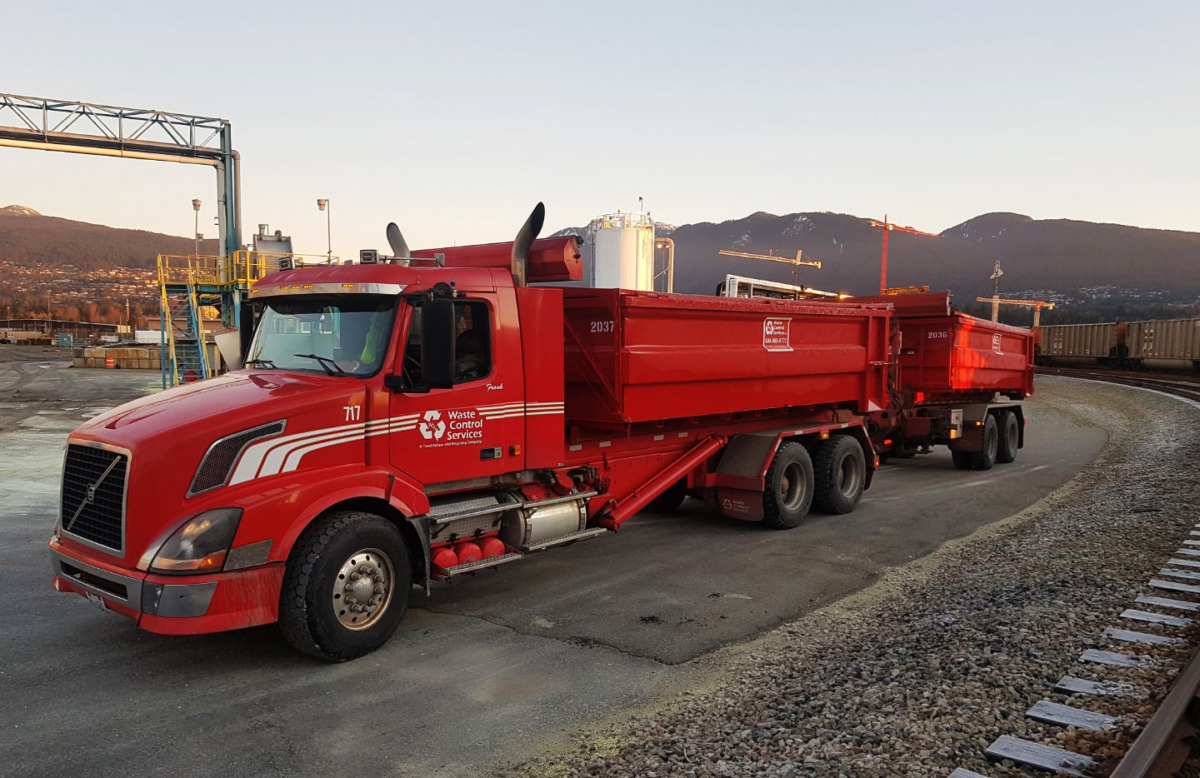
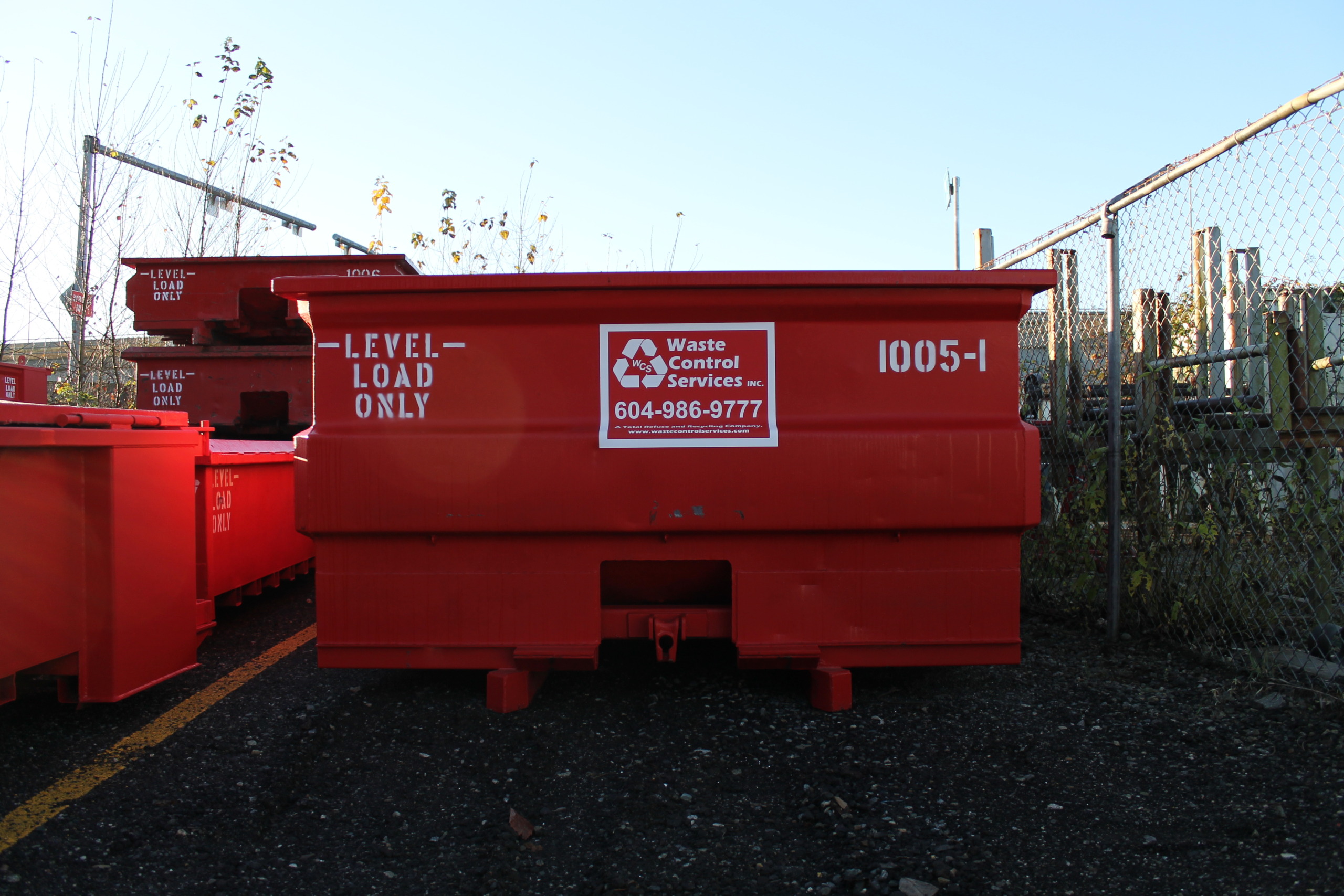
What Waste control Services is certified to manage the complete disposal process for a range of hazardous and specialized waste streams, including contaminated soils, leachable toxic wastes, and asbestos-containing materials. Waste Control services handles roll-off quantities, provides Lo-Pro container options for sites with restricted access, and manages the full chain of custody including manifesting.
Operating from our Coquitlam facility with over 30 years of experience in Metro Vancouver, WCS has built direct relationships with licensed material recovery and disposal facilities — which means your hazardous waste moves through a verified, compliant chain from start to finish.
Waste Control Services provides certified hazardous waste disposal for Metro Vancouver businesses across all regulated waste stream.
Contact Waste Control Services at 604-986-9777 or get Free Quote from our Account Executive
Author: Hessy Kartini